Pairing Wine with Asian Food
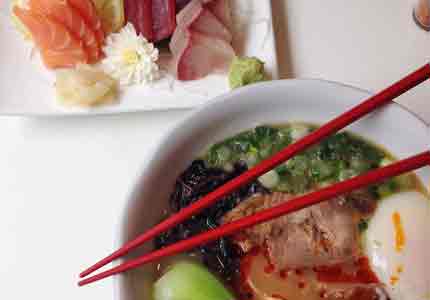
Matching wine with Asian cuisines is not the same as matching wine with European cuisines. Traditional wine styles evolved alongside European foods and flavors, so pairing wine is generally easy. However, in Asian food settings, wine has not always been a traditional accompaniment, so the combination can be a little more challenging.
The best wines for Asian foods are those with moderate levels of alcohol, softer tannin, crisper acidity, and sometimes (but not always) a judicious amount of residual sugar. It is a matter of harmony and balance within the context of hot, sour, salty and sweet food sensations.
1. Asian Food and German Riesling
Quintessential German-style Riesling Kabinetts — penetratingly scented, juicy rich, light and fine as silk with a whispering sweetness balanced by perceptible acidity — are usually the first wines cited for Asian foods.
2. Pairing Asian Foods and Viognier
White wines made from the Viognier grape are actually an unorthodox choice for Asian style foods for two reasons. They tend to be low in acid and full in alcohol, somewhat like Chardonnay. But unlike Chardonnay, Viogniers tend to be extremely fragrant, billowing with exotic fruit, honeysuckle-like perfumes, and suggestions of violet and white pepper.
Chinese cooking in particular can be tilted towards sweetness balanced by a mild bitterness and saltiness, such as is found in chicken in gingery or citrusy syrups. In Southeast Asia, fish is often coated with curries and coconut milk or strong pastes made from coriander root and peppercorns. In these food contexts, the aggressively full, hefty, peppery qualities of Viognier are often superior to the more feeble alcohol and higher acid qualities of Riesling.
But when full-flavored Asian dishes are prepared correctly, a good, balanced Viognier can contribute an exotic note of its own to the overall experience.
3. Asian Food and Zinfandel
The jammy, lusciously raspberry-like, black-peppery spiced aromas and flavors of first-rate California Zinfandel are a sensible, if unorthodox, choice with barbecued pork or beef ribs coated in sweet or spicy marinades. A proper Zinfandel has the red-wine tannin to handle fatty, charred meats, yet the roundness and fruitiness to enhance, rather than fight, the hot spices.
Whenever there is a presence of peppercorns, some vinegary zest, or slightly hot garlic, chile, and gingery sensations, a zesty, peppery, fruity Zinfandel finds another surprising food element.
4. Asian Food with Southern French Wines and Blends
The entire premise of balancing Southern French varietal reds — Syrah for its floral, spicy, structural fullness; Grenache for its plush, mildly peppery red fruitiness; and Mourvedre for its meaty, dark fruitiness — draws comparisons to the balancing of sensations in Asian-style cooking.
The advantage of Southern French varietals and blends is that their tannins are moderated enough so that they don’t taste bitter in relation to sweet, sour, salty or spicy sauces, yet they retain enough tannin to digest meat fats. Then there is the factor of umami; specifically, the reaction of salt and acidity when activated by foods high in amino acids (such as mushrooms, aged cheeses, and sea vegetables), which effectively reduces the sensation of bitterness. When wine is served in this context, there is a greater chance that the wine will taste “milder” and dishes more savory.
5. Asian Food Matched with Round Italian Reds
also now in California, is astounding. Each has its charms: Dolcetta, a zesty black fruitiness; Barbera, an even zestier-edged, palate-sticking fruitiness; and Sangiovese, a mildly zesty, cherry-fruit complexity. All are marked by qualities of slightly elevated acidity, low to medium tannin, and earth-related characteristics manifested in multiple ways, from burning leaves and licorice to roasted meat and leather-like nuances.
Given these structural and aroma-flavor advantages, there are few wines that perform as well with Chinese- or Southeast Asian–style hot pots of beef or pork; especially when punctuated by peppercorns, garlic, or scallions; the licorice-like tastes of star anise, cilantro, or coriander; and sacred basil. Then there is the vast range of small production Italian and California wines that utilize these varietals as blending elements: Sangiovese with Cabernet Sauvignon, Sangiovese with Tempranillo, Barbera with Nebbiolo, Zinfandel with Barbera, etc. While unorthodox, the good thing about these innovative “Italianate” wines is that they fit in with many of the unorthodox styles of fusion cooking being done all around the world.
The thinking is this: if Asian cooking is untraditional with wine, the best wines for Asian foods may very well be the most untraditional blends.
-
CINCO DE MAYO CRAFT COCKTAILS | GAYOT.com
Let’s be festive on Cinco de Mayo with some craft cocktails. Get the recipes.
-
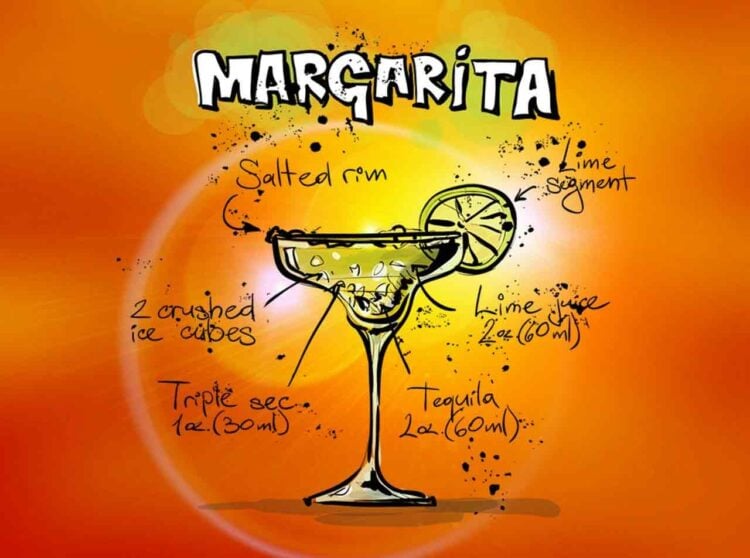
GUIDE TO THE PERFECT MARGARITA | GAYOT.com
Since there are many stories about the origin of the margarita, let us cheers to all of them! Get the recipes.
-
A GETAWAY IN MEXICO | GAYOT.com
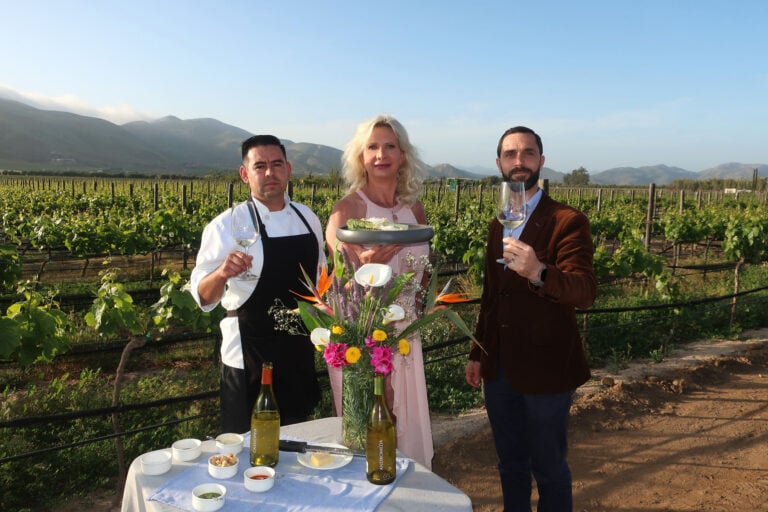
Travel to Mexico and dine in the vines at Latitud 32 at El Cielo Winery, Valle de Guadalupe, Baja California, Mexico. Read the article.
-
BEST MEXICAN RESTAURANTS | GAYOT.com
Celebrate Cinco de Mayo at one of GAYOT’s picks for the Best Mexican Restaurants across the U.S. See the lists.