Restaurant Dining Guide

Find a restaurant to dine at with our Restaurant Dining Guide
READ: GAYOT’s Yearly Restaurant Awards
Check the list
You can select a restaurant with GAYOT’s “Best of” Lists or by location (scroll down for the list).
Trending Now!

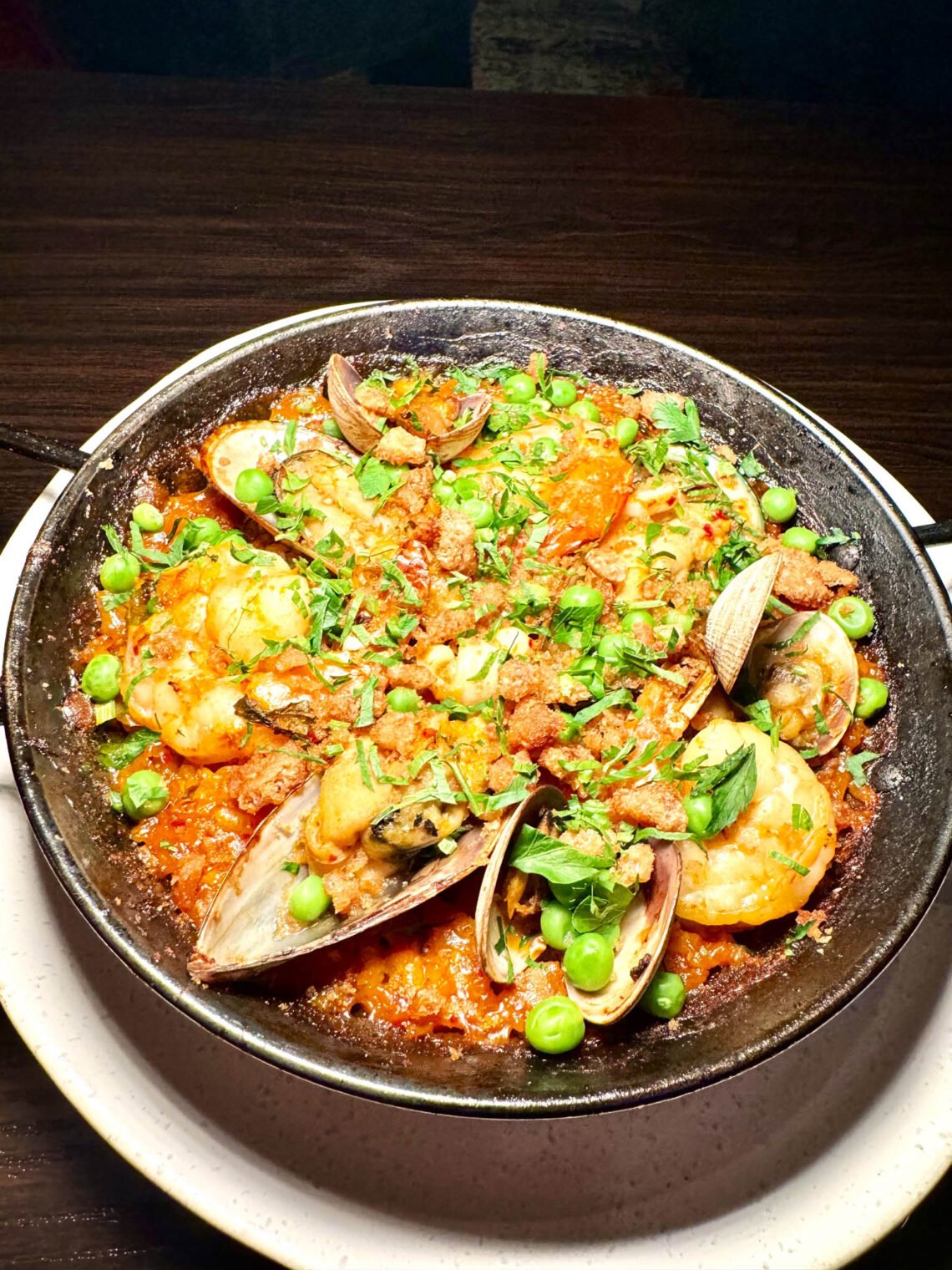

More ways to find restaurants
• Culinary News & Events
• GAYOT’s Restaurant Ratings by Cities
• Reserve your table.
• Restaurant Feature Articles, including the true story of Nouvelle Cuisine
CHOOSE BY LOCATION
Choose the market you’re interested in from the directory below, search our restaurant reviews along with our tasty dining lists — then reserve a table.
FEATURED CITIES
UNITED STATES
ALABAMA > Birmingham | See all cities
ALASKA > Anchorage | See all cities
ARIZONA | See all cities
> Flagstaff > Phoenix > Scottsdale > Sedona > Tucson
CALIFORNIA | See all cities
• NORTHERN > Carmel > Monterey > Sacramento > San Francisco/Bay Area > San Jose > Tahoe > Wine Country
• CENTRAL > Central Coast > Santa Barbara > Ventura County
• SOUTHERN > Los Angeles Area > Orange County > Palm Springs > San Diego
COLORADO | See all cities
> Aspen > Denver > Vail
CONNECTICUT > Greenwich > Hartford | See all cities
FLORIDA | See all cities
> Daytona Beach > Gainesville > Jacksonville > Miami > Northwest > Orlando > Sarasota > Southwest > Tampa
GEORGIA > Atlanta > Chamblee > Decatur | See all cities
HAWAII | See all cities
> Big Island > Honolulu > Kauai > Maui > Oahu
IDAHO > Boise | See all cities
ILLINOIS > Chicago | See all cities
INDIANA > Indianapolis | See all cities
KANSAS > Kansas City | See all cities
KENTUCKY > Louisville | See all cities
LOUISIANA > New Orleans | See all cities
MAINE > Portland | See all cities
MARYLAND > Baltimore > Maryland Suburbs (DC) | See all cities
MASSACHUSETTS > Boston > Cape Cod | See all cities
MICHIGAN > Detroit > Grand Rapids | See all cities
MINNESOTA > Minneapolis > St. Paul | See all cities
MISSOURI > Kansas City > St. Louis | See all cities
NEVADA > Las Vegas > Reno | See all cities
NEW JERSEY | See all cities
> Atlantic City > Jersey Shore > North Jersey
NEW MEXICO > Albuquerque > Santa Fe | See all cities
NEW YORK | See all cities
> Albany > Brooklyn > Buffalo > The Hamptons > Long Island > New York City > Westchester County
NORTH CAROLINA | See all cities
> Charlotte > Durham > Outer Banks > Raleigh
OHIO | See all cities
> Cincinnati > Cleveland > Columbus
OKLAHOMA > Oklahoma City | See all cities
OREGON > Portland | See all cities
PENNSYLVANIA | See all cities
> Harrisburg > Philadelphia > Pittsburgh
RHODE ISLAND > Providence | See all cities
SOUTH CAROLINA > Charleston | See all cities
TENNESSEE > Memphis > Nashville | See all cities
TEXAS | See all cities
> Austin > Dallas > Fort Worth > Houston > San Antonio
UTAH > Park City > Salt Lake City | See all cities
VERMONT > Burlington | See all cities
VIRGINIA | See all cities
> Hampton Roads > Norfolk > Richmond > Virginia Suburbs (DC)
WASHINGTON > Seattle | See all cities
INTERNATIONAL
• Australia
• The Bahamas
• CANADA | See all cities
> Montréal > Québec City > Toronto > Vancouver
• The Caribbean
• CHINA > Beijing > Shanghai | See all cities
• FRANCE > Paris | See all cities
• Germany
• Hong Kong
• Israel
• Italy
• JAPAN > Tokyo | See all cities
• MEXICO > Los Cabos > Mexico City | See all cities
• Monaco
• Morocco
• The Netherlands
• Singapore
• South Africa
• Spain > Montsonís | See all cities
• United Arab Emirates
• UNITED KINGDOM > London | See all cities
Join our free newsletter

Join GAYOT’s mailing list to stay in the know about restaurants, wine, spirits, recipes and more…
To sign up for GAYOT’s free newsletter, click here.
-
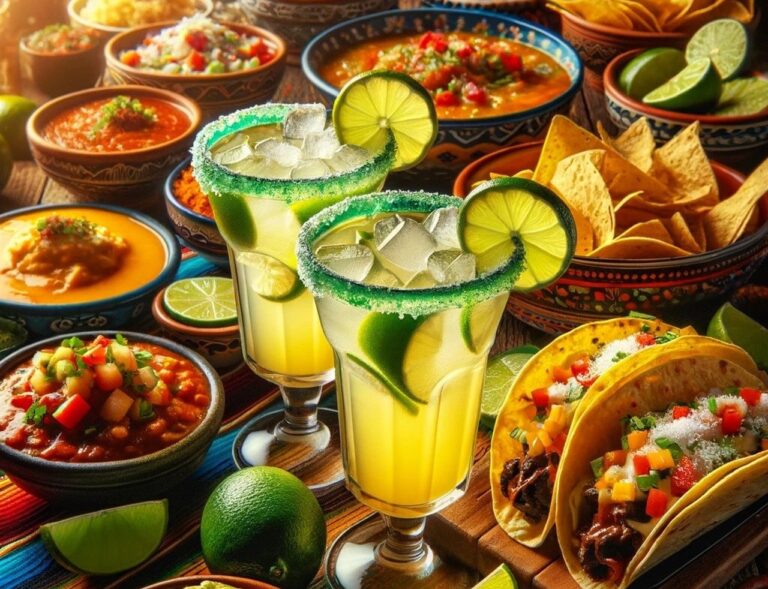
CINCO DE MAYO CRAFT COCKTAILS | GAYOT.com
Let’s be festive on Cinco de Mayo with some craft cocktails. Get the recipes.
-
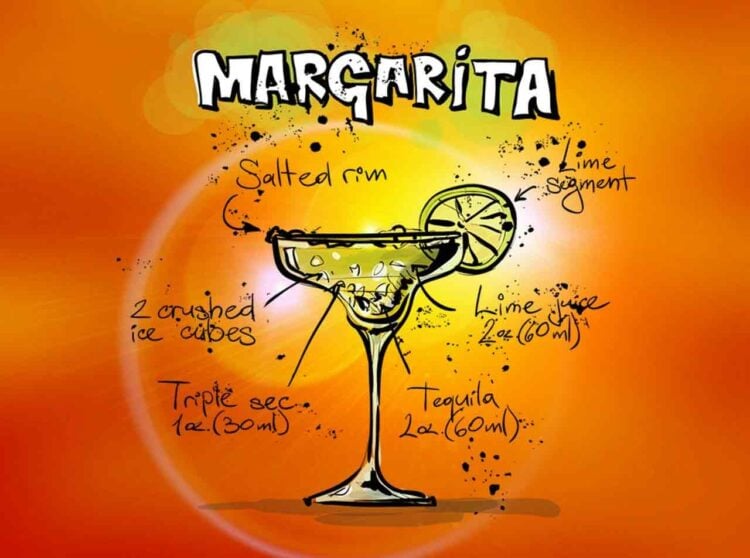
GUIDE TO THE PERFECT MARGARITA | GAYOT.com
Since there are many stories about the origin of the margarita, let us cheers to all of them! Get the recipes.
-
A GETAWAY IN MEXICO | GAYOT.com
Travel to Mexico and dine in the vines at Latitud 32 at El Cielo Winery, Valle de Guadalupe, Baja California, Mexico. Read the article.
-
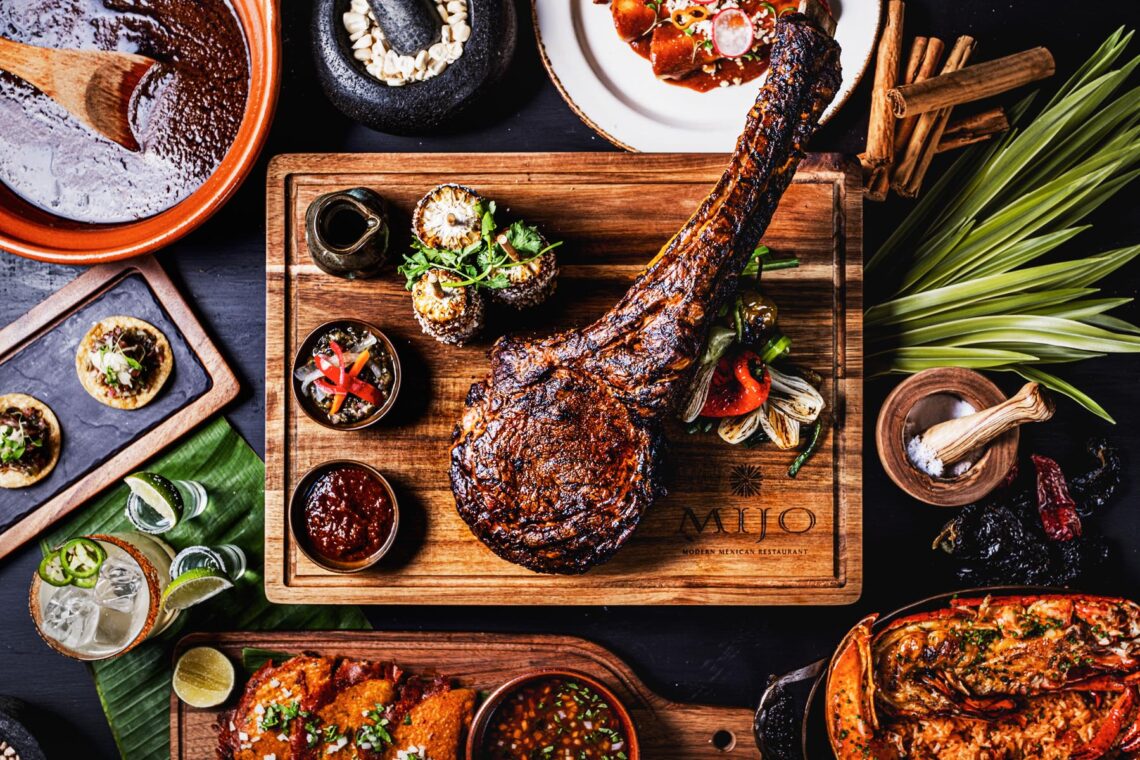
BEST MEXICAN RESTAURANTS | GAYOT.com
Celebrate Cinco de Mayo at one of GAYOT’s picks for the Best Mexican Restaurants across the U.S. See the lists.